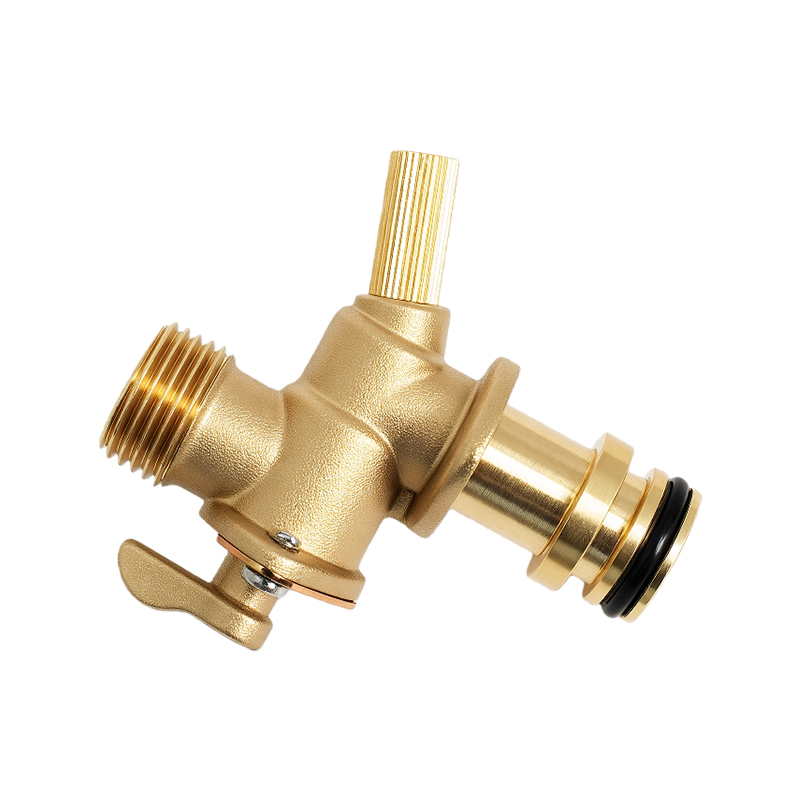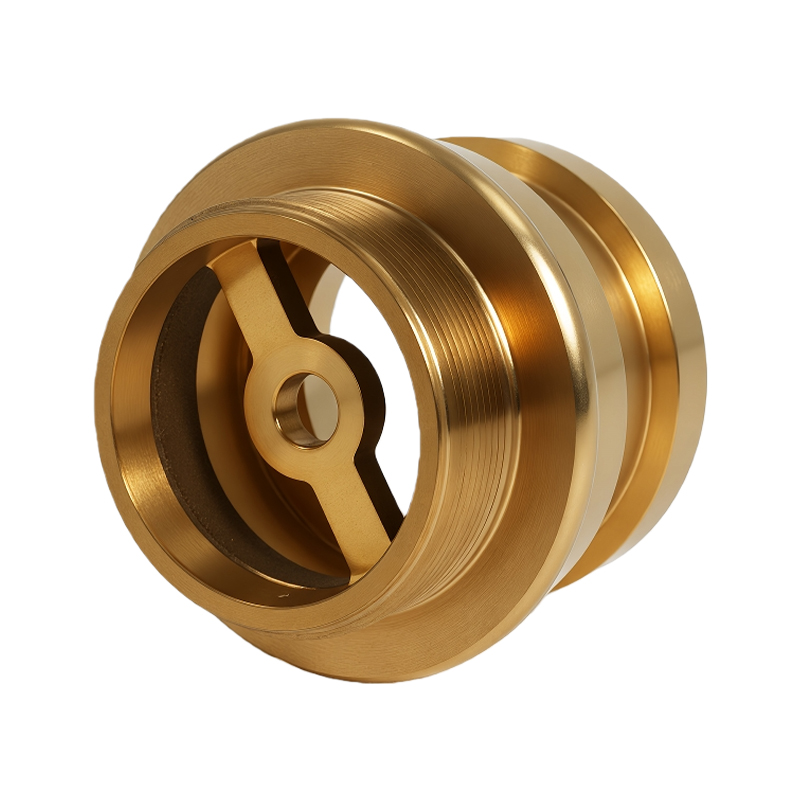
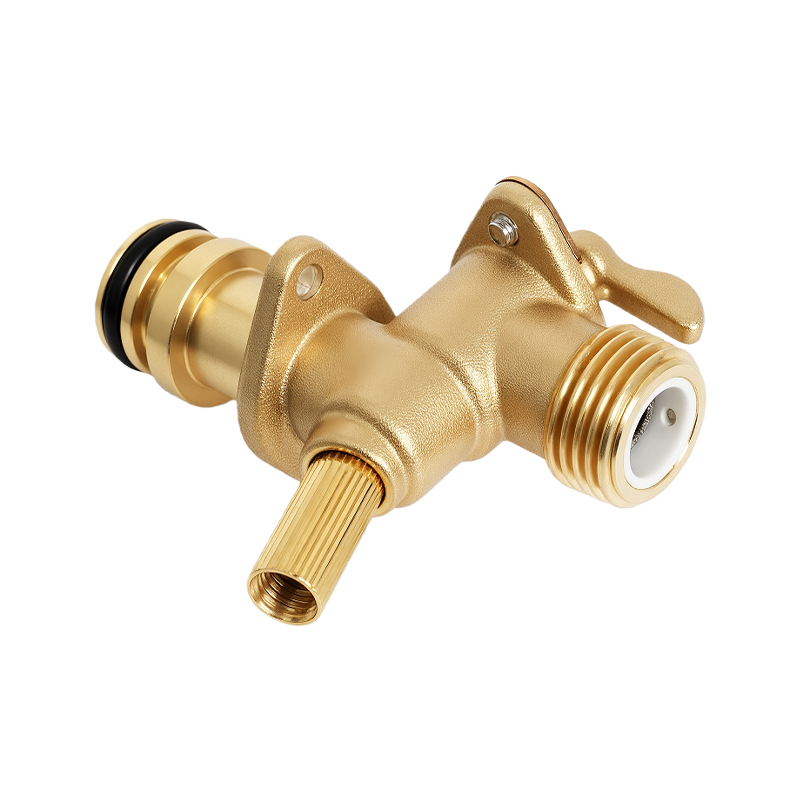
In the life-or-death race against time in firefighting, a seemingly ordinary fire hydrant connector is often a crucial link in determining whether water can successfully reach the fire scene.
The fixed T-shaped aluminum base, under these dual constraints of high precision and high electromagnetic sensitivity, achieves a successful balance between millimeter-level positioning accuracy and excellent electromagnetic compatibility (EMC) through co
The fixed T-shaped aluminum base, as the core connector between the catenary support and the bridge, tunnel, or track structure, withstands long-term vibrations, wind loads, temperature cycles, and electromagnetic disturbances from passing trains.
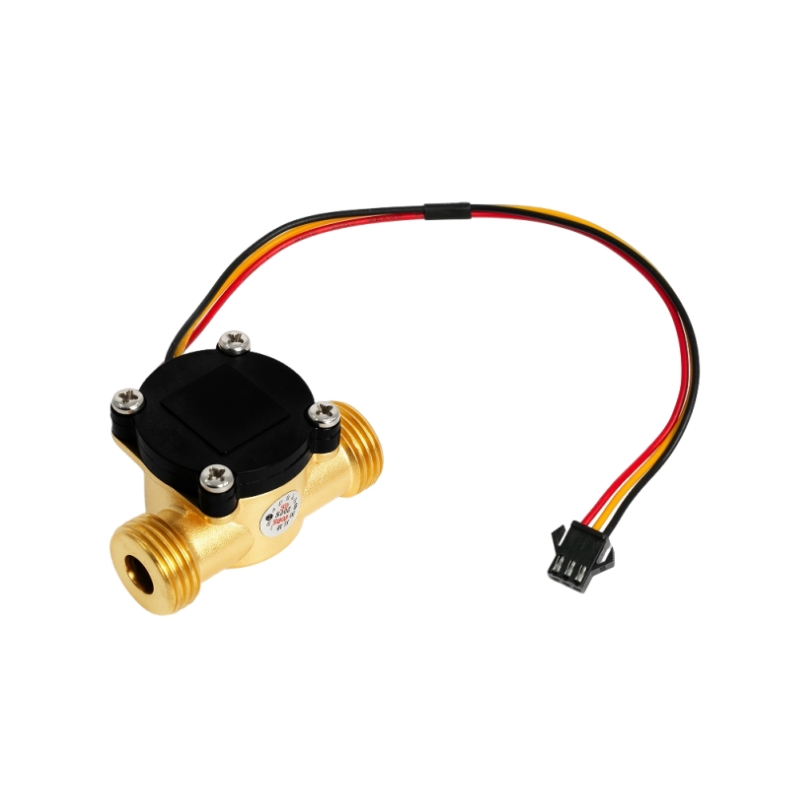
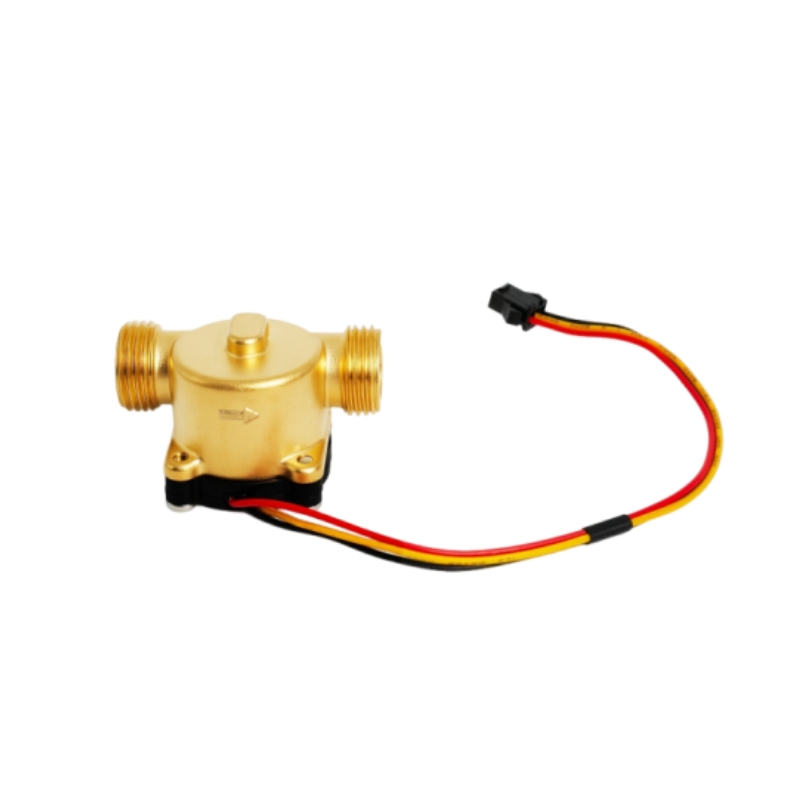
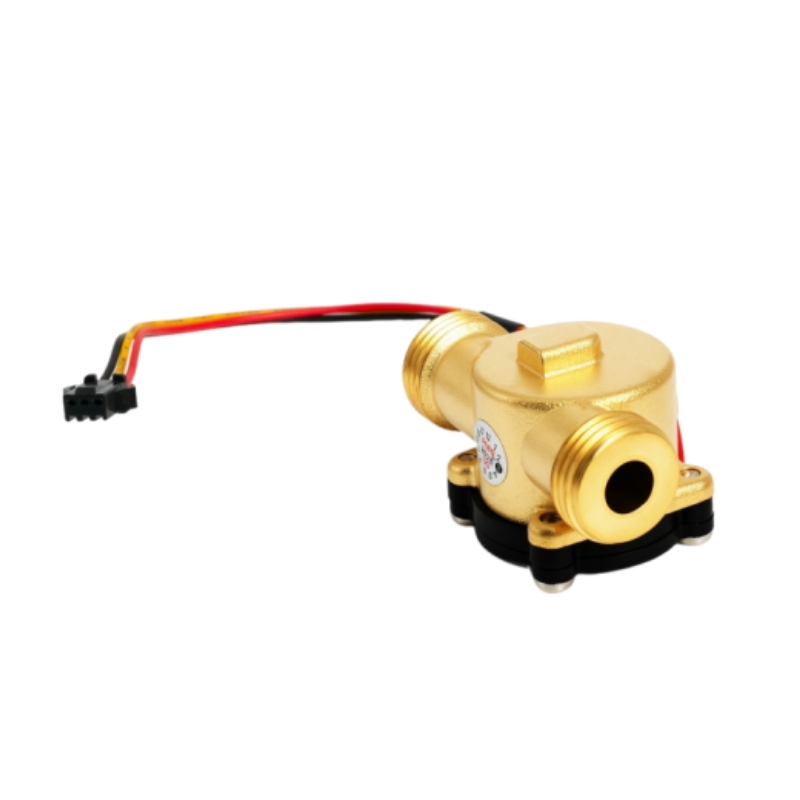
In modern buildings, industrial equipment, and smart home appliances, water flow is no longer just a simple medium for transportation.
Facing the two "invisible killers" of impurity blockage and water hammer effect, the fire hydrant connector effectively improves its reliability and durability under complex operating conditions through structural optimization, material upgrades, and mult
As a key component in emergency water supply systems, the performance of the fire hydrant connector valve body directly affects the efficiency and reliability of firefighting operations.